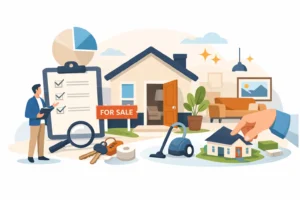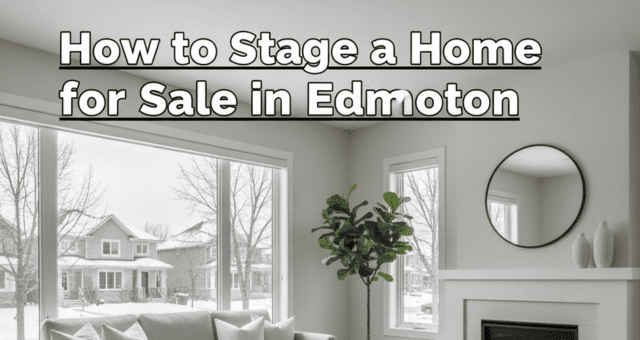
Did you know that staged homes sell 18-25% faster and often for 5-10% more than unstaged properties? If you’re preparing to sell your home in Edmonton, staging is one of the most effective and affordable strategies to attract serious buyers, generate more interest, and maximize your final sale price. In this comprehensive guide, we’ll walk you through everything you need to know about how to stage a home for sale in Edmonton, from initial decluttering to final touches that make buyers fall in love with your space.
Whether you’re selling a condo downtown or a house in Windermere, the principles of effective home staging remain consistent: create spaces that allow buyers to envision themselves living there, highlight your home’s best features, and eliminate distractions that might reduce offer amounts.
Why Home Staging Matters in the Edmonton Real Estate Market
Home staging isn’t just about making your space look pretty—it’s a strategic investment that directly impacts your bottom line. Here’s why staging is so important, especially in today’s competitive Edmonton market:
Increased Market Speed
Staged homes typically spend fewer days on the market. In Edmonton’s real estate market, faster sales mean less competition from other listings and more negotiating power for you. A home that sells in 10 days versus 30 days generates significantly more buyer interest.
Higher Sale Price
Multiple studies show that well-staged homes command premium prices. Buyers visualize themselves living in staged spaces better than empty or cluttered ones, making them willing to offer more. On a $500,000 home, a 5-10% premium equals $25,000-$50,000—far exceeding staging costs.
Better Photos for Online Listings
Over 90% of buyers start their home search online. Staged homes photograph significantly better, leading to more clicks, more showings, and more offers. First impressions online determine whether a buyer will even schedule a viewing.
Neutral, Inviting Atmosphere
Staging creates a blank canvas that appeals to a wide range of buyers. Personal items and quirky decor can distract buyers or make them feel like they’re intruding on someone’s space. Staging removes these barriers and lets buyers focus on the property itself.
Highlights Home’s Best Features
Professional staging emphasizes a home’s strengths while minimizing weaknesses. Natural light, spacious rooms, architectural details, and functional layouts all become more obvious in a staged home.
Psychological Impact
Research shows that staged homes trigger emotional responses in buyers. They’re more likely to imagine themselves living there, raising their families there, and investing their money there. This emotional connection often translates to higher offers.
Step 1: The Pre-Staging Audit—Declutter Everything

Before you add anything, you need to remove things. This is the foundation of successful home staging.
Declutter Room by Room
Go through every closet, shelf, and corner. Home staging experts recommend removing 30-50% of your belongings before showing. This might sound extreme, but here’s why:
- Fewer items make rooms appear significantly larger
- Buyers focus on the space instead of your stuff
- Open, airy rooms feel more inviting and modern
- Less visual distraction helps buyers imagine their own belongings
- Storage looks more spacious when not overstuffed
Start with a critical eye. If you haven’t used something in a year, it can go. Excess possessions are destined for storage, donation, or selling online.
Personal Items Must Go
Pack away completely:
- Family photos and personal artwork (all of them)
- Children’s artwork on refrigerators and walls
- Religious or politically charged decor
- Hobby collections and memorabilia
- Sports equipment displayed prominently
- Personal grooming items from bathrooms
- Mail, bills, and personal documents
- Love letters, children’s report cards, awards
Why? Buyers shouldn’t be thinking about your family while evaluating your home. They need to mentally move themselves into the space, and personal items prevent this mental transition.
Furniture Reduction Strategy
Remove or replace:
- Oversized furniture that makes rooms feel cramped
- Extra pieces that serve no function
- Bulky entertainment centers taking up wall space
- Multiple chairs, tables, and storage pieces
- Bedroom furniture other than bed and nightstands
- Excess kitchen appliances on counters
Pro Staging Tip: For every piece of furniture you keep, ask: “Does this serve a purpose or enhance the room’s function?” If the answer is no, remove it immediately. Less is always more in staged homes.
Basement and Attic Storage
Buyers often check storage spaces to assess capacity. If your basement or attic is packed with boxes:
- Remove items into proper storage or sell/donate them
- Clean thoroughly and organize what remains neatly
- Demonstrate that storage capacity is actually available and functional
- Ensure no water damage signs or musty smells
Step 2: Deep Clean Everything (This Is Non-Negotiable)
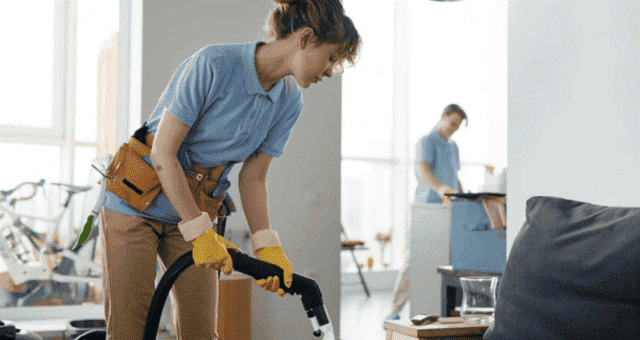
After decluttering comes the most time-intensive part: professional-level deep cleaning. A clean home is a must-sell home. Buyers notice every speck of dust, every fingerprint, and every stain.
Kitchen Deep Clean—Highest Priority
Kitchens get scrutinized more closely than any other room. Buyers spend time here evaluating functionality:
- Degrease stovetop and range hood completely (use degreaser for buildup)
- Clean inside microwave and oven thoroughly with appropriate cleaners
- Wipe down inside and out of all cabinets (visible shelves especially)
- Organize cabinet contents neatly and aesthetically
- Shine all stainless steel appliances until they gleam
- Clean grout between tiles with grout brush or professional grout cleaner
- Polish sink until it gleams (stainless steel or porcelain)
- Clean all drawer fronts and handles
- Ensure no crumbs or debris visible anywhere
- Deep clean refrigerator exterior and top
Kitchen cleanliness is THE most important factor for buyers. A grimy kitchen screams poor maintenance and can lose you thousands in offers.
Bathroom Deep Clean—Second Priority
Bathrooms are closely scrutinized by buyers for cleanliness and maintenance signs:
- Scrub shower/tub thoroughly—no soap scum, mildew, or hard water stains
- Clean toilet tank, bowl, and base meticulously
- Wipe down medicine cabinets and shelves (clean inside too)
- Polish all fixtures (faucets, mirrors, hardware) until they shine
- Clean grout between tiles thoroughly
- Re-caulk if caulking looks old or discolored
- Ensure floor is spotless and dry
- Clean windows and mirrors until streak-free
- Ensure exhaust fan is clean and functional
- Deep clean under sink and in cabinets
Bathrooms communicate care and maintenance quality to buyers. Spotless bathrooms trigger positive emotional responses.
Flooring Throughout Entire Home
- Steam clean or professionally shampoo all carpets (don’t just vacuum)
- Polish hard floors until they gleam (refinish if badly damaged)
- Clean baseboards thoroughly throughout home
- Repair any scuffs or marks on walls near floors
- Ensure no pet hair or debris visible anywhere
- Clean grout between tiles if present
Windows and Light Elements
- Clean all windows inside and out (critical for first impressions)
- Wipe windowsills, frames, and tracks thoroughly
- Clean light fixtures and remove any dust
- Wipe lampshades and ensure all lights work
- Polish mirrors until streak-free
Ongoing Cleaning During Active Showings
Once you’re ready to show, maintain baseline cleanliness:
- Clean immediately before each showing (day-of cleaning)
- Make beds with fresh, clean sheets before each showing
- Remove visible dirt or clutter right before showing
- Ensure kitchen is completely clean (no dishes in sink)
- Empty garbage bins
- Close bedroom doors if rooms need work
- Quick sweep of entryway
Step 3: Curb Appeal and First Impressions
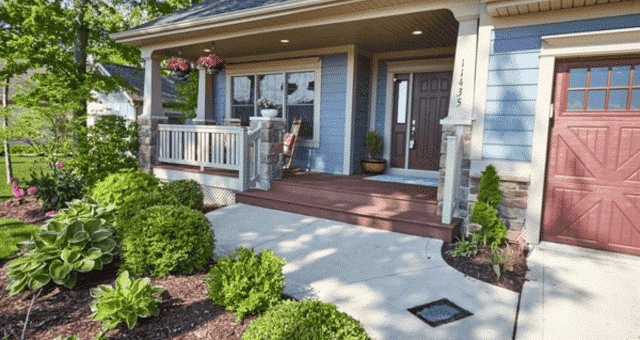
Your home’s exterior is the first thing buyers see. Make it count. Curb appeal can influence offers by 5-10%.
Landscaping and Yard Work
- Trim hedges and bushes neatly (hire professional if needed)
- Remove dead plants—replace with healthy green ones
- Power wash driveway and walkway (removes dirt, stains, algae)
- Clean up fallen leaves and debris completely
- Mow lawn to perfection (even lines, right height)
- Edge lawn along beds and walkways for finished look
- Add colorful flowers or potted plants near entrance
- Plant flowers in beds or add planters with seasonal color
- Ensure garden hoses are hidden
- Store toys, tools, and outdoor items away
Front Door and Entry—Your Biggest First Impression
- Paint front door if needed (neutral or tasteful color—NOT orange or purple)
- Polish door hardware until shiny
- Install new house number plaque if current one looks dated
- Place attractive welcome mat
- Add potted plants or planters on sides of door (matching pair if possible)
- Ensure entrance is brightly lit (replace burned-out bulbs)
- Remove any stickers, decals, or worn areas on door
- Clean door frame and surrounding area
Your front door sets the tone for the entire showing. Buyers make snap judgments about your home’s condition based on the entrance.
Overall Exterior Maintenance
- Repair any broken exterior items (shutters, trim, etc.)
- Paint or stain fence if needed (or plan removal if derelict)
- Ensure gutters are clean and debris-free
- Power wash siding if needed (or paint if badly weathered)
- Ensure exterior lights work properly
- Remove or touch up exterior paint if peeling
- Ensure mailbox is clean and functional
- Repair or replace damaged exterior materials
- Trim trees and branches away from roof and siding
Step 4: Arrange Furniture for Flow and Space
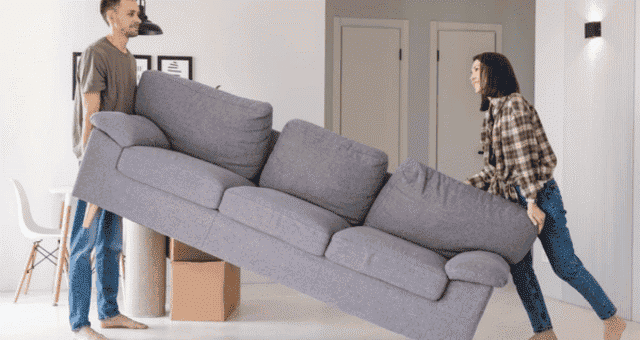
How you arrange furniture dramatically impacts how spacious and functional your home feels. This is where many people make mistakes.
Create Conversation Areas
- Arrange living room furniture to create a focal point (typically the fireplace or large window)
- Position seating to face each other, creating an inviting gathering space
- Ensure pathways through rooms are clear and obvious to buyers
- Avoid putting all furniture against walls (counterintuitive, but floating arrangements look more intentional)
Maximize Spaciousness
- Remove unnecessary furniture completely (less is more in staging)
- Leave plenty of open floor space visible
- Use mirrors strategically to create illusion of more space
- Open up sight lines from entrance to back of room
- Avoid blocking windows or architectural features
- Don’t overfill rooms with furniture
Highlight Room Function
- Make bedrooms look like bedrooms with bed as clear centerpiece
- Make dining rooms dining-focused with table nicely set
- Create obvious home office setup if applicable
- Ensure living spaces have clear purpose and function
- Avoid using rooms for multiple purposes (office AND craft room AND storage)
Traffic Flow and Navigation
- Ensure buyers can naturally move through your home
- Avoid blocked doorways or cluttered hallways
- Make it obvious how rooms connect and flow
- Create a natural path through the home
- Remove obstacles that interrupt sightlines
- Ensure entryway is welcoming and not cluttered
Step 5: Lighting and Ambiance—Critical for Emotional Connection

Lighting is often overlooked but dramatically impacts buyer perception. Dark homes feel depressing; bright homes feel clean and modern.
Maximize Natural Light
- Open all blinds and curtains fully (remove heavy drapes completely)
- Clean windows thoroughly to maximize light transmission
- Trim tree branches that block natural light from windows
- Remove sheer curtains that block light
- Wash windows inside and out before showing
Add Bright, Warm Lighting
- Replace dim bulbs with bright white LED bulbs (4000K color temperature is ideal)
- Test bulbs before showing to ensure right brightness
- Ensure all light fixtures work properly (test all switches)
- Add attractive lamps to dark corners
- Use overhead lights, not just floor lamps
- Create warm ambiance (not harsh, clinical brightness)
- Use dimmer switches for flexibility
- Consider recessed lighting if affordable option
Bathroom and Kitchen Lighting—Critical Rooms
These spaces are where buyers scrutinize most closely:
- Ensure excellent lighting in bathrooms (bright light flatters bathroom condition)
- Bright kitchen lighting shows cleanliness and functionality
- Add undercabinet lighting in kitchen if possible
- Ensure no dark shadows in sink or counter areas
- Replace old, yellowed lighting with modern fixtures
Evening Appeal
- Test how your home looks at dusk and evening
- Ensure exterior is well-lit and welcoming at night
- Make entry welcoming when dark outside
- Interior lighting should feel warm and inviting (not institutional)
- Porch lights on during showings
Step 6: Kitchen Staging—Highest ROI Room
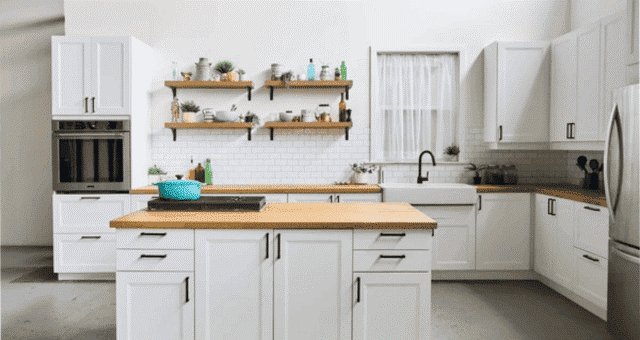
The kitchen is where buyers spend the most time evaluating. It’s worth special attention. Kitchen condition often determines whether a buyer even makes an offer.
Counter Decluttering
This is absolutely critical for kitchen staging success:
- Remove ALL countertop items except 2-3 beautiful pieces maximum
- NO coffee makers, toasters, knife blocks, or paper towel holders visible
- Put away all small appliances (even attractive ones)
- Ensure counters are completely bare and clean
- Display perhaps a fruit bowl or single vase with flowers—that’s it
- Remove all cords, chargers, and cables from view
- Clear counters of any clutter whatsoever
Cluttered kitchen counters make kitchens look small and poorly maintained. Bare counters make kitchens look spacious and modern.
Cabinet Organization
- Remove items you won’t need before selling
- Organize remaining items neatly and logically
- Add shelf paper to cabinet interiors if they look worn
- Ensure cabinet fronts are clean and shiny
- Open cabinets shouldn’t have items shoved haphazardly
- Display nice dishes on open shelves if applicable
Appliance Presentation
- Shine all stainless steel appliances thoroughly
- Ensure no fingerprints or smudges visible anywhere
- Place a bowl of fresh fruit on counter (adds life and warmth)
- Fresh flowers in simple vase adds homey touch without clutter
- Ensure refrigerator exterior is spotless
Sink and Faucet
- Sparkling clean sink is absolutely essential
- Polish faucet until it shines
- Ensure no dishes visible at any time
- Remove clutter from counter around sink
- Have hand towel neatly folded nearby
- Ensure sink is dry (wet sinks look neglected)
Step 7: Bedroom Staging—Create Sanctuary Vibes
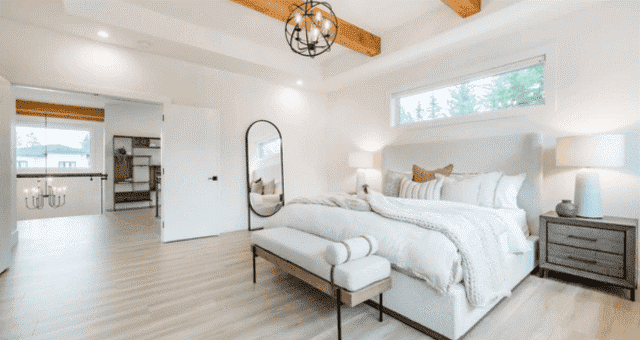
Bedrooms should feel like peaceful retreats. Buyers should imagine themselves sleeping there, relaxing there.
The Bed—Most Important Piece
- Make bed with neutral, high-quality looking bedding
- Use white or soft gray sheets and pillows
- Add throw pillow for visual interest
- Ensure bed is room’s focal point
- Don’t overcomplicate—simple elegance works best
- Keep one nightstand only if space is limited
Minimal Furniture Approach
- Nightstands (small ones if space is limited)
- One dresser only (not bedroom-sized massive piece)
- Remove exercise equipment, work desks, or storage
- Avoid excess furniture
- Empty feel is better than cramped feel
Closet Appeal
- Organize closet neatly
- Hang clothes color-coordinated
- Fold sweaters for display
- Show that storage space is actually usable
- Remove excess items so closet looks spacious
Master Bedroom Special Attention
- This is the most important bedroom
- Create spa-like, luxurious feeling
- Soft lighting from bedside lamps
- Minimal but tasteful decor
- Ensure master bath is spotless
- Window treatments should be simple and elegant
Step 8: Bathroom Staging—Show Cleanliness and Luxury
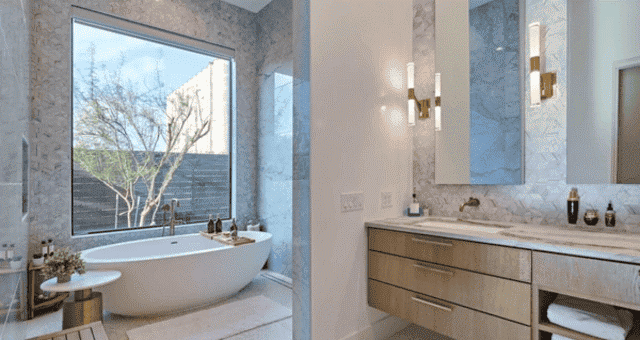
Bathrooms are closely scrutinized by buyers. Cleanliness is paramount.
Spa-Like Atmosphere
- Sparkling clean is absolute requirement—non-negotiable
- Place rolled, fluffy towels for display (or use neutral-colored new ones)
- Add simple vase with fresh flowers
- Fresh shower curtain or spotlessly clean glass doors
- Candle for visual appeal (unlit is fine)
- Small decorative tray with soap
Countertop Minimalism
- Remove personal toiletries completely
- Only soap dispenser and hand towel visible
- Medicine cabinet organized and clean
- No clutter whatsoever on counters
- Minimal décor—less is more
Lighting and Ventilation
- Bright, flattering lighting is critical
- Ensure no moisture or mold visible anywhere
- Verify exhaust fan works (run it before showing to dry any moisture)
- Replace dull mirrors with clean, bright ones
- Ensure no stains on caulking or grout
Common Staging Mistakes to Avoid
Learn from others’ mistakes:
Over-Personalization
Too many family photos, quirky art, or personal items make buyers uncomfortable and distracted. Keep it neutral—zero family photos visible.
Dark, Dingy Spaces
If a room feels dark, it’s hard to sell. Add lighting and remove heavy window treatments. Buyers associate darkness with age and poor condition.
Overpowering Scents
Strong pet, cooking, or air freshener smells can turn buyers off. Avoid scents entirely or keep very subtle. Fresh smell (not perfumed) works best.
Pet Evidence
Even if you love your pets, buyers shouldn’t feel like they’re moving into a pet home. Remove pet items, odors, and evidence. Hide litter boxes, pet beds, and toys.
Broken or Worn Items
Chipped paint, broken fixtures, or worn carpeting signal poor maintenance. Fix these before showing—they’re deal-killers for many buyers.
Clutter
The most common staging mistake. Most homes have too much stuff visible. Go back through and remove more than you think necessary.
Odors
Any musty, smoky, or strange smells turn buyers away. Ensure home smells are fresh, neutral, and clean before every showing.
Staging Timeline Before Selling
1-2 Weeks Before Professional Photos
- Deep clean entire home thoroughly
- Complete all decluttering
- Remove excess furniture
- Stage all rooms for professional photos
- Repair any visible damage
- Ensure landscaping looks perfect
Day Before Each Showing
- Quick clean and refresh
- Ensure all lights work
- Open blinds fully
- Make beds with fresh sheets
- Ensure bathrooms are immaculate
- Kitchen completely clean
- Garbage bins emptied
- Pets placed elsewhere
During Active Listing
- Maintain cleanliness between showings
- Weekly deep clean of high-traffic areas
- Ensure home always showroom-ready
- Replace wilting flowers
- Maintain curb appeal (no leaves, clean walkways)
- Respond quickly to feedback and adjust staging
Staging Budget Breakdown
DIY Staging (What You Can Do Yourself)
- Cost: $0-$300 (mainly supplies like light bulbs, flowers)
- Time: 40-60 hours across 2 weeks
- Result: Good to very good improvements
- Includes: Cleaning, decluttering, basic rearranging, fresh flowers, lighting adjustments
Best For: Homes in good condition that just need organization and freshening
Rental Furniture (If Your Home Looks Too Empty)
- Cost: $500-$2,000
- Time: 5-10 hours your time
- Result: Very good to excellent
- Includes: Rental furniture, professional arrangement, décor pieces
Best For: Empty homes or homes with inadequate furniture
Professional Staging Service
- Cost: $1,500-$5,000+
- Time: 10-20 hours your time
- Result: Excellent to exceptional
- Includes: Expert assessment, furniture rearrangement, décor, styling, decluttering guidance
Best For: High-value homes, homes with challenges, or sellers wanting guaranteed results
ROI Potential
Studies show staging returns 6-10x the investment. A $2,000 investment in staging that adds $15,000-$20,000 to your sale price is an excellent return. On a $500,000 home, even 2% price increase ($10,000) far exceeds staging costs.
FAQ: Home Staging Questions
Q: Should I stage before photos or for in-person showings?
A: Both. Stage for professional photos (this is most important—photos generate showing interest). Then maintain staging for in-person showings (in-person presentation seals the deal).
Q: What colors work best for staging a home?
A: Neutral colors (whites, beiges, soft grays, light taupes) are ideal. Avoid bold colors that could turn buyers off. White walls make homes look clean and spacious.
Q: How long should staging take to set up?
A: DIY staging typically takes 20-40 hours across 1-2 weeks. Professional staging takes 1-2 days.
Q: Can I stage myself or should I hire a professional?
A: You can stage yourself if you have good eye for space and design. Professional stagers are worth it if you’re not confident or if you want guaranteed results. Professional staging often yields better returns.
Q: Does staging really make a difference?
A: Yes—absolutely. Staged homes sell 18-25% faster and often for 5-10% more. For most sellers, this more than pays for staging costs and is worth the investment.
Q: What if I have an ugly feature I can’t fix?
A: Staging can minimize impact. Strategic furniture placement, lighting, and decoration can downplay problem areas. Professional stagers excel at this.
Q: When should I start staging?
A: Before professional photos are taken. This is when staging matters most. Then maintain staging throughout the showing period.
Conclusion: Stage Your Edmonton Home to Sell Faster and for More Money
Staging your home for sale isn’t just about making it look pretty—it’s a strategic investment that directly impacts how quickly you’ll sell and how much you’ll make. By following these 10 steps to properly stage your Edmonton home, you’ll attract more serious buyers, generate more competitive offers, and maximize your final sale price.
Whether you’re selling your first home or your fourth, proper staging is one of the most effective tools available to Edmonton home sellers. The time and effort (or money) you invest in staging will almost certainly be returned many times over in your final sale price and faster closing timeline.
Real success comes from creating emotional connections. When buyers walk into a staged home, they should envision themselves living there, entertaining friends, and building memories. That emotional connection translates into offers and higher prices.
Ready to sell your Edmonton home? Our team at Bhupinder Singh Real Estate & Mortgage specializes in helping sellers maximize their property value. From pre-listing consultations to final closing, we’re here to guide you through every step.
We understand that selling a home is emotional and complex. Our experienced team has helped dozens of Edmonton sellers through the process, and we know what works in Edmonton’s market.
Schedule Your Free Home Selling Consultation Today — Let’s create a winning strategy to sell your Edmonton home faster and for the best possible price. We’ll assess your home’s strengths, identify staging opportunities, and guide you toward successful closing.