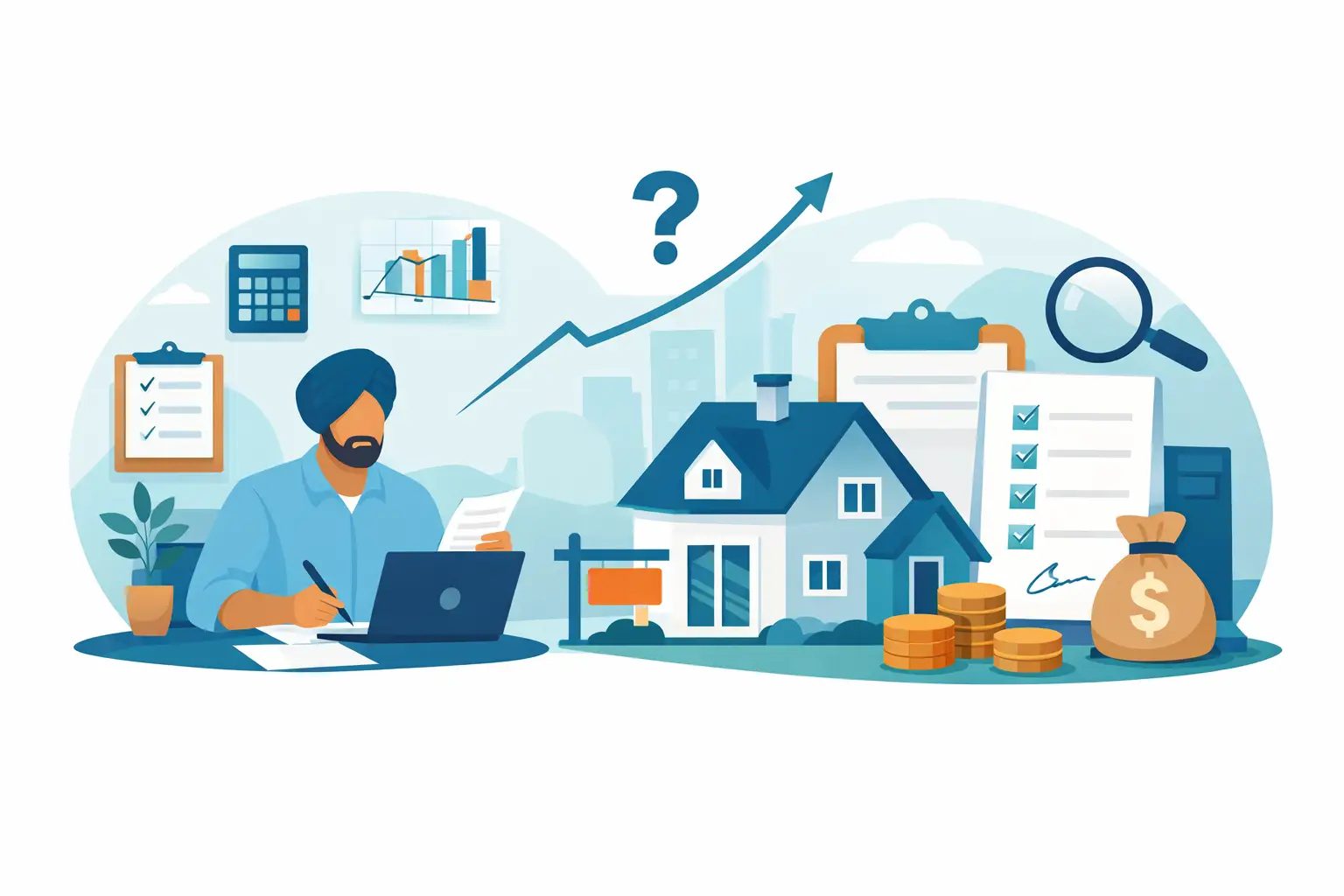
A lot of self-employed buyers assume the answer is no before they ever apply. They hear that mortgage rules are stricter, income is harder to prove, and lenders only want salaried employees with clean pay stubs. The truth is more encouraging: can self employed buyers qualify? Yes, many do. The key is understanding how lenders look at business income and preparing your file properly before you start shopping.
If you run a business, work on contract, freelance, or earn income through commissions, you are not automatically at a disadvantage. You may, however, need a more careful mortgage strategy. That is where good planning makes a real difference.
Can self employed buyers qualify more easily than they think?
In many cases, yes. The challenge is usually not whether self-employed borrowers are allowed to get a mortgage. The challenge is proving stable, usable income in a way that fits lender guidelines.
Traditional employees can often show recent pay stubs, a job letter, and a history of consistent wages. Self-employed buyers usually need to tell a fuller financial story. Lenders want to know how long the business has been operating, whether income is stable or rising, how much debt the business carries, and what income is actually available to support mortgage payments.
This is where some buyers get frustrated. A strong business owner can earn well but report lower taxable income after deductions. That helps at tax time, but it can reduce the income a lender uses for qualification. So the issue is not always earnings. Sometimes it is how those earnings appear on paper.
What lenders usually want to see
Most lenders are looking for consistency, documentation, and a reasonable debt picture. If you are self-employed, they often want at least two years of business history. That does not mean every lender handles files the same way, but two years is a common benchmark.
They may review tax returns, notices of assessment, business financial statements, bank statements, and proof that taxes are up to date. Some lenders will average income over two years. Others may place more weight on the lower year if income fluctuates. If your income has recently increased, that can help, but lenders may still want to see that the increase is sustainable.
Credit also matters. A self-employed borrower with strong credit, solid savings, and low debt may have more options than someone with uneven credit, even if business income is healthy. Down payment size can also influence what programs are available and how comfortable a lender feels with the file.
The income question matters most
For self-employed buyers, mortgage approval often comes down to one question: what income will the lender actually use?
That number is not always the same as gross revenue, and it is not always the amount you feel you earn in real life. Lenders are trying to verify dependable income, not just busy months or top-line business sales. They want to see what remains after expenses, and whether that amount is stable enough to support the mortgage.
This creates a common trade-off. Business owners are often smart about claiming expenses and reducing taxable income. That can be financially sensible, but it can also lower borrowing power. If you are planning to buy a home in the near future, it is worth discussing that timing with a mortgage professional before filing taxes. A short-term tax strategy can sometimes create a longer-term financing problem.
On the other hand, not every file depends strictly on net income from tax returns. Some lenders offer programs that consider stated income or alternative documentation, especially when the borrower has a strong down payment, solid credit, and bank statements that support the income story. These options can help, but they may come with different rates, fees, or qualification standards. That is why comparing lenders matters.
Can self employed buyers qualify with only one year in business?
Sometimes, but it depends. One year of self-employment can be harder, especially if there is no prior history in the same line of work. Lenders generally want to reduce uncertainty, and a newer business gives them less history to review.
Still, one year does not always mean an automatic decline. If you moved from a salaried role into self-employment in the same profession, have strong contracts in place, maintain good credit, and can show stable income through bank statements or accountant-prepared documents, you may still have workable options. The overall file matters.
This is one of the biggest reasons buyers should get pre-approved before seriously house hunting. It is better to know your real numbers early than to fall in love with a home and discover the income calculation is different than expected.
Common reasons self-employed buyers get declined
Many declines are preventable. The issue is often not self-employment itself, but gaps in preparation.
One common problem is inconsistent tax filings. Another is unpaid taxes or installment obligations that affect debt ratios. Some buyers mix personal and business finances too heavily, which makes cash flow harder to verify. Others apply right after a slow year, assuming their recent rebound will carry the file even though the lender is averaging a longer period.
Large unexplained deposits can also raise questions. So can rising business debt, missed credit payments, or a down payment that cannot be clearly sourced. None of these issues means approval is impossible, but they do mean the application needs more structure.
How to improve your chances before applying
The strongest self-employed mortgage files are built, not rushed. If you are thinking of buying within the next six to twelve months, there are practical steps that can put you in a better position.
Start by getting organized. Make sure your tax returns, notices of assessment, business statements, and bank records are current and easy to review. If you have an accountant, ask for clean documentation that explains how your business income should be understood.
Next, protect your credit. Pay on time, keep revolving balances manageable, and avoid taking on unnecessary debt before applying. If possible, maintain a clear separation between business and personal accounts. That makes your financial picture easier to verify.
It also helps to be realistic about budget. The maximum mortgage amount is not always the right target. Self-employed income can vary, and owning a home comes with costs beyond the monthly mortgage payment. A comfortable approval is often better than a stretched one.
Finally, speak with someone who understands both lending guidelines and the local housing market. In a place like Edmonton, that matters more than people think. Home prices, property taxes, and purchase opportunities all affect what makes sense financially, and your mortgage strategy should match the type of home you want to buy.
Why lender choice matters for self-employed borrowers
Not all lenders assess self-employed income the same way. Some are very conservative. Others are more flexible if the overall application is strong. This is where working with an advisor who has access to multiple lenders can save time and reduce stress.
A buyer who is declined by one lender may still be approved by another with a different approach to income calculation. That does not mean every borrower should shop for exceptions. It means the structure of the application matters, and the right lender fit is part of the solution.
This is especially useful for buyers whose income changes year to year, who have significant write-offs, or who recently became incorporated. A strong file needs to be presented properly. Sometimes a good mortgage outcome depends as much on positioning as it does on raw numbers.
What self-employed buyers should expect during the process
Expect more documentation and more questions. That is normal. A lender may ask how long you have been in business, whether revenue is recurring, who your major clients are, and whether your industry is stable. They may also want updated statements later in the process, even if you already submitted initial documents.
That extra review can feel personal, but it is really about clarity. A lender is trying to confirm that your income is reliable enough for long-term homeownership. When your paperwork is organized and your application is structured well, the process becomes much smoother.
At Bhupinder Singh Real Estate & Mortgage, this is often where buyers gain confidence. When the home search and financing plan are coordinated from the start, there are fewer surprises and better decisions all the way through the purchase.
Self-employment should not stop you from buying a home. It simply means your mortgage path may need more preparation, more documentation, and a lender strategy that fits how you actually earn. If you have a stable business, manageable debt, and a plan for presenting your income clearly, homeownership may be much closer than you think.